-
Mail Support mail@eastafricatourstravel.com
Conservancy Area
Peak Season
From Nairobi
White Rhinos
Year-Round
Ol Pejeta Conservancy is a 90,000-acre world-renowned wildlife sanctuary in Laikipia, Kenya, famous for being the largest black rhino sanctuary in East Africa and the global home to the last two remaining northern white rhinos. Operating as a non-profit trust, it seamlessly blends vanguard wildlife science, community-centered tourism, and sustainable cattle ranching.
Overview & Location
| Colonial Cattle Ranching (1940s–1980s): | Originally established as a beef-producing cattle farm by Lord Delamere. Over the decades, the land was managed by a succession of owners, including the prominent British settler Marcus Wickham Boynton and the international arms dealer Adnan Khashoggi.. |
| The Shift to Conservation (1988): | As cattle ranching became less profitable and elephant populations frequently destroyed perimeter fences, the land’s purpose shifted. In 1988, Lonrho Africa converted 24,000 acres of the ranch into the Sweetwaters Game Reserve to protect the rapidly declining black rhino population. |
| Formation of the Conservancy (2004): | Fauna & Flora International (FFI) and the Arcus Foundation, along with the Lewa Wildlife Conservancy, purchased the entire ranch. They transitioned the land into the Ol Pejeta Conservancy as a non-profit trust, dedicating it to biodiversity conservation, sustainable tourism, and community development. |
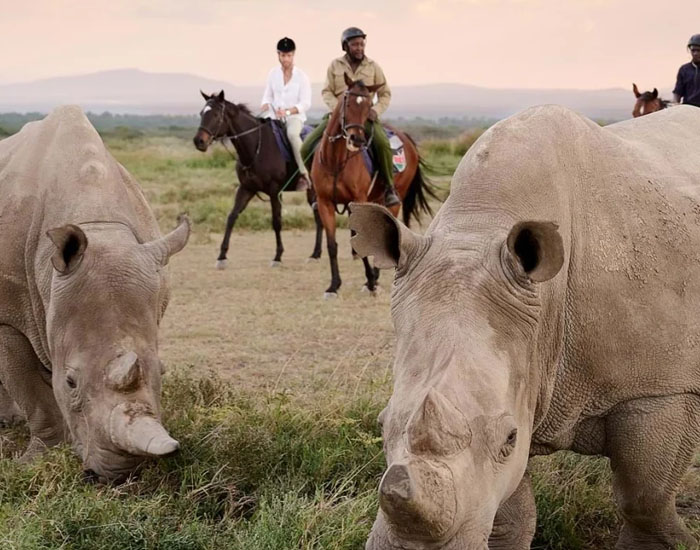
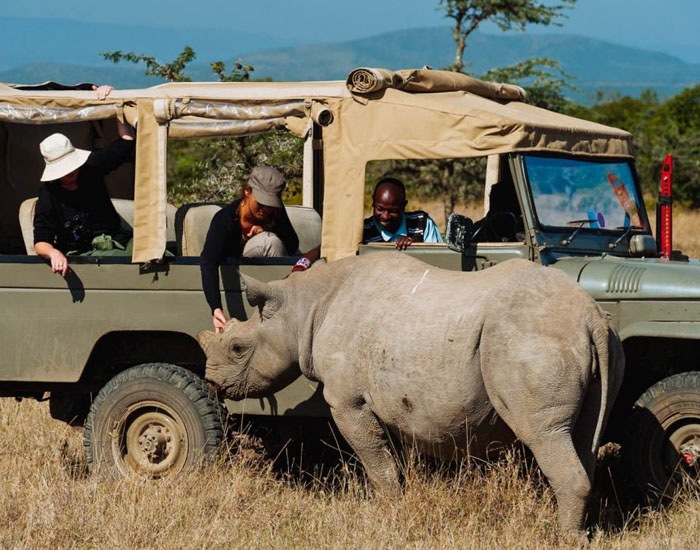
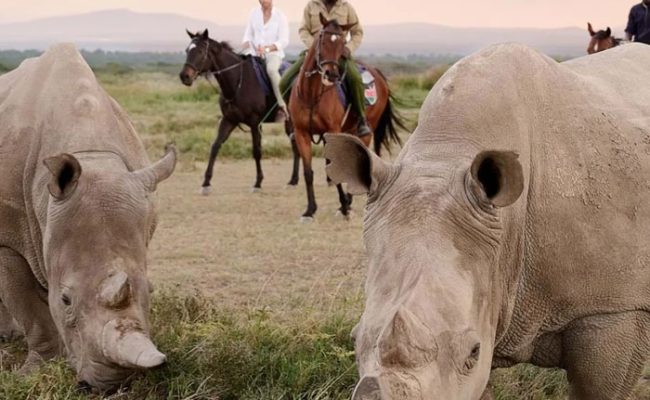
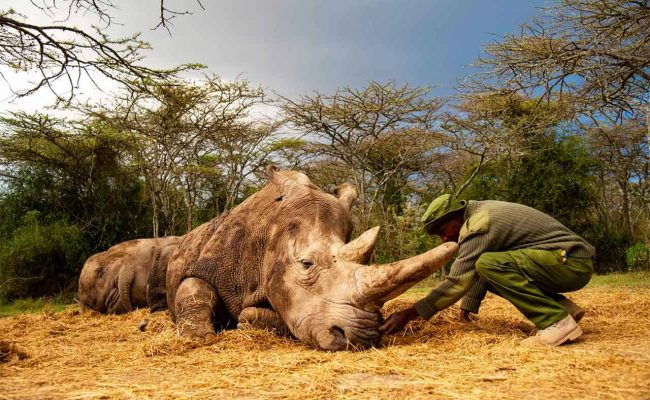
| Last of the Northern White Rhinos: | Ol Pejeta is the global sanctuary for the last two northern white rhinos on the planet (Najin and Fatu). Visitors can book unique, behind-the-scenes encounters with these iconic animals |
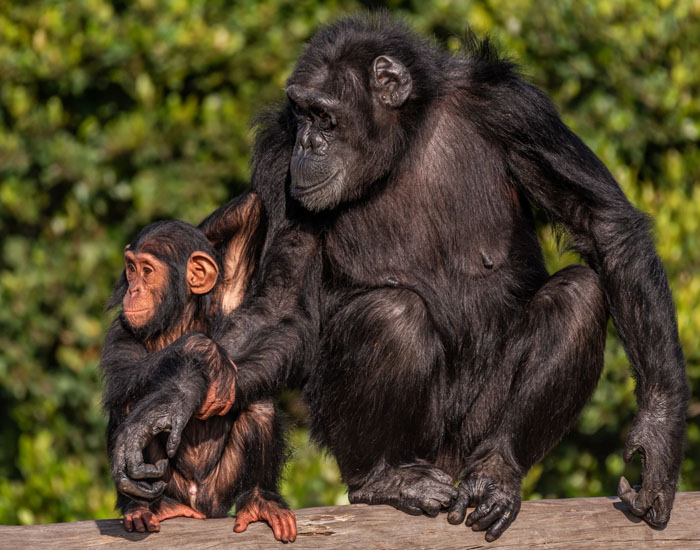
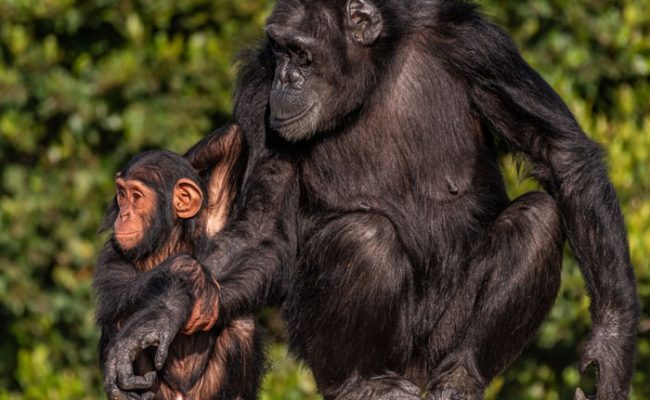
| The Sweetwaters Chimpanzee Sanctuary: | Established in 1993 with the Jane Goodall Institute, this is the only place in Kenya where you can see rescued chimpanzees. |
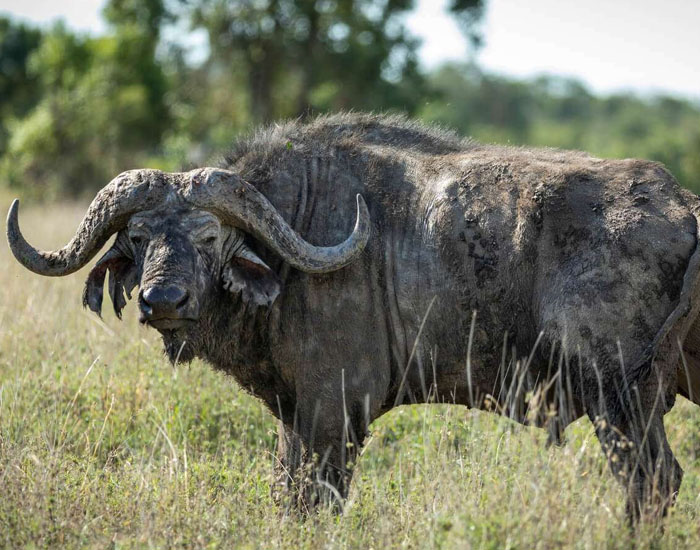
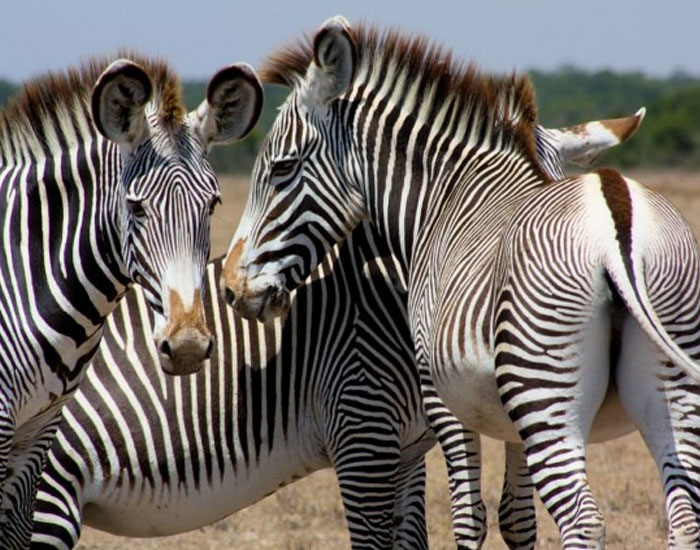
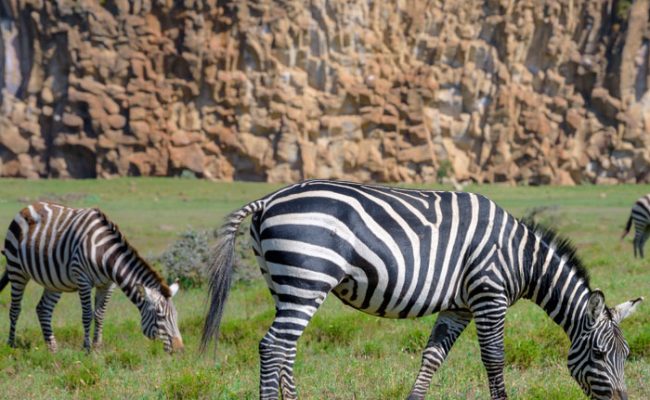
| The Big Five & Rare Species: | The fenced reserve guarantees high-density, reliable sightings of the “Big Five” (lion, leopard, elephant, rhino, and buffalo). It is also a stronghold for endangered predators like the African wild dog and rare northern species like Grevy’s zebra and Jackson’s hartebeest. |
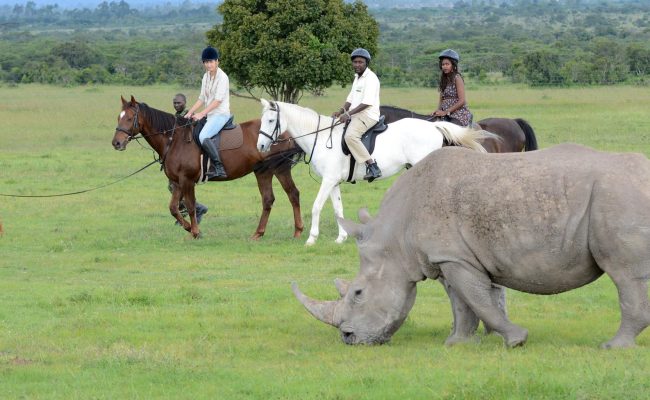
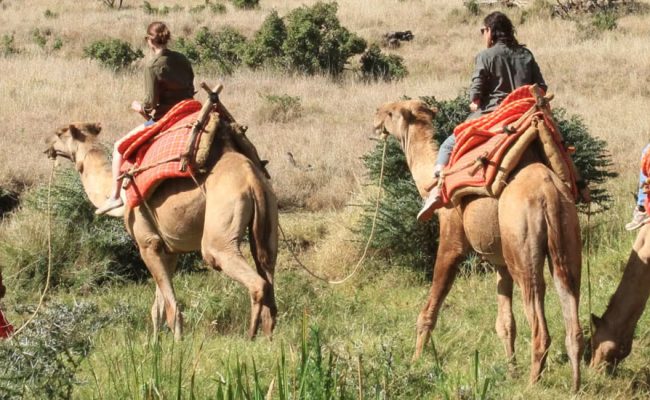
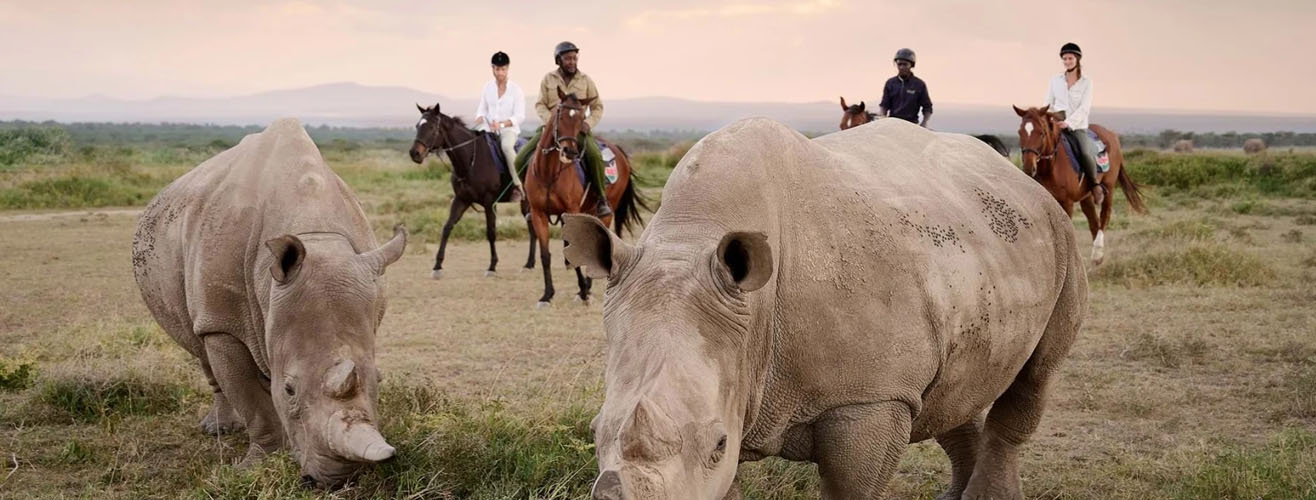
| Exclusive Safari Activities: | Unlike traditional national parks, as a private conservancy, Ol Pejeta allows night game drives, guided bush walks, horseback safaris, and cycling. |
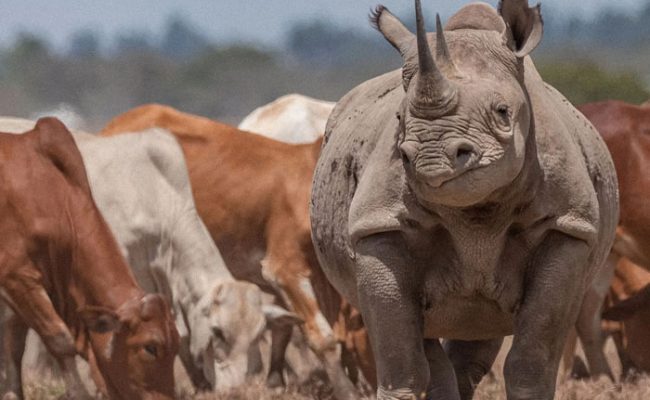
| Conservation-First Cattle Ranching: | Ol Pejeta proves that livestock and wildlife can coexist. Cattle are used as an ecological tool to graze grasslands, which stimulates fresh growth for wild grazers while funding vital conservation operations. |
How to Get Ol Pejeta
Getting to Ol Pejeta Conservancy
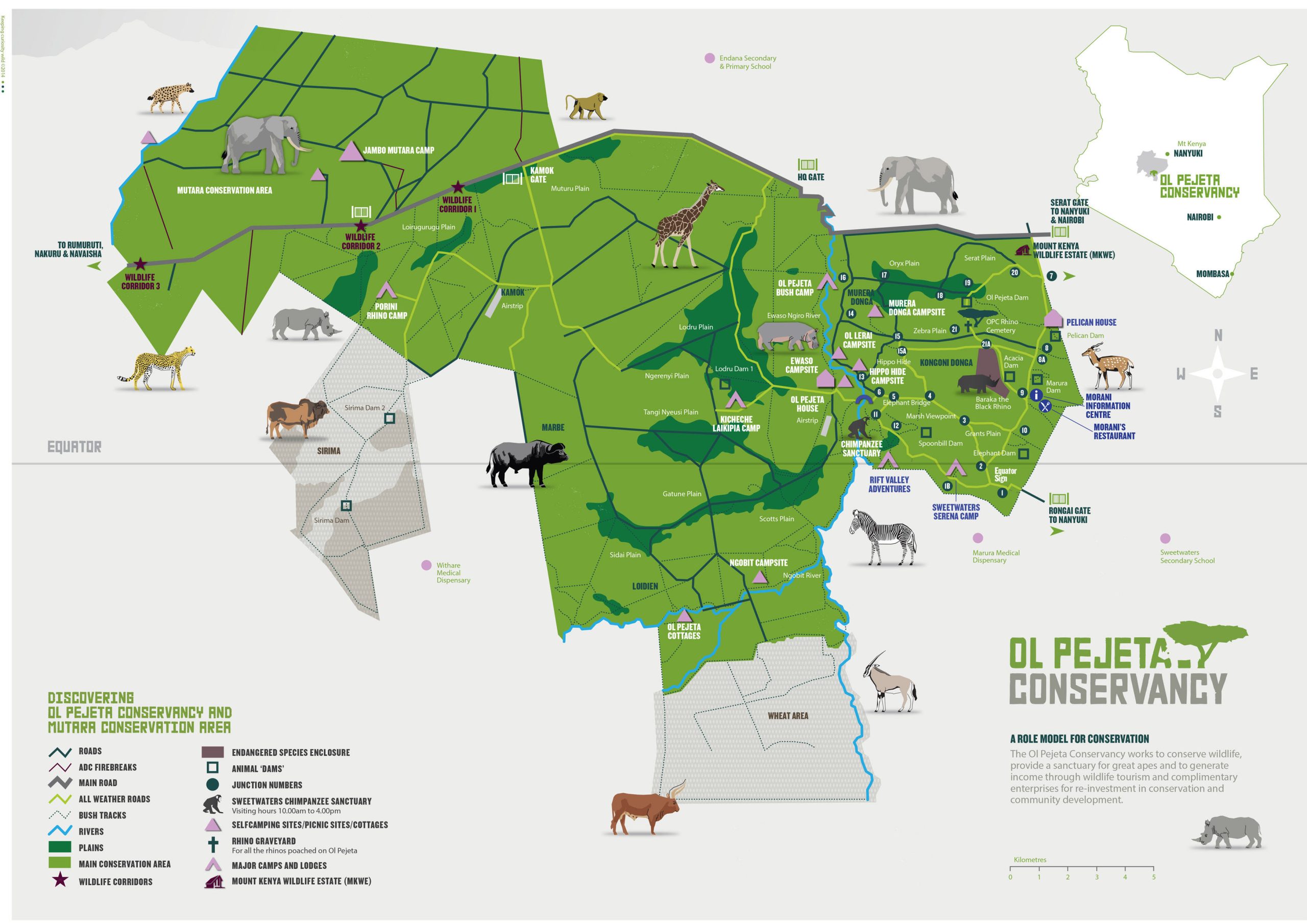
Ol Pejeta Conservancy is located in Laikipia County, roughly 210 km northeast of Nairobi. Travel options include a 3.5 to 4.5-hour drive via Nanyuki or a quick 40-minute scheduled flight from Nairobi’s Wilson Airport to the Nanyuki Airstrip, followed by a short 45-minute transfer to the conservancy gates
The drive from Nairobi to Ol Pejeta takes approximately 3.5 to 4.5 hours depending on traffic through Thika. The main route follows the A2 / Thika Superhighway north to Nanyuki, then west on the B5 to the Ol Pejeta Main Gate at Nairutia. The road is tarmac all the way to the gate. A saloon car can reach the entrance; a 4WD is recommended inside the conservancy.
Scheduled and charter flights operate from Wilson Airport, Nairobi to Nanyuki Airstrip. Flight time is approximately 45 to 55 minutes. Most lodges and camps offer airstrip transfers, and flying in is the preferred option for travelers combining Ol Pejeta with other northern Kenya destinations such as Samburu or Laikipia’s more remote conservancies.
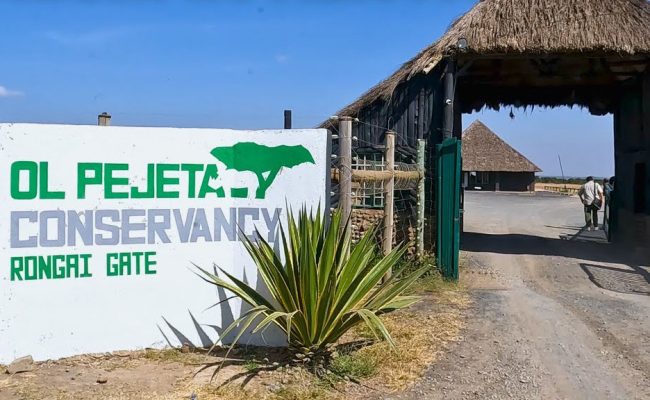
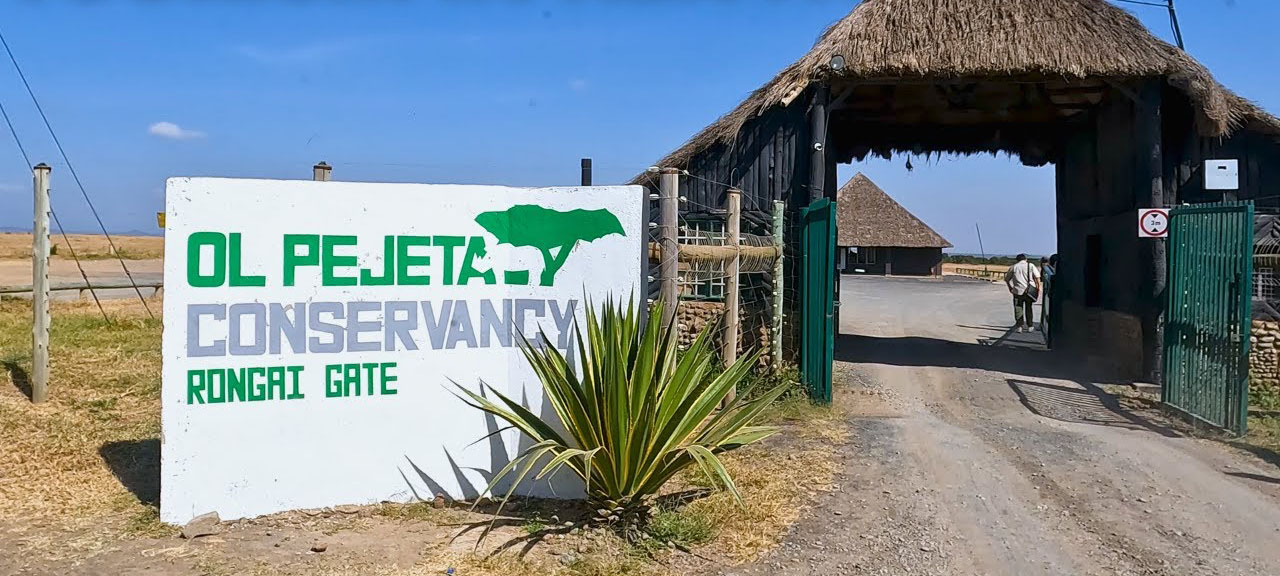
| Rongai Gate (Main Gate) | Located on the southeastern side of the conservancy. This is the most popular entrance for visitors driving from Nairobi and Nanyuki town, located roughly a 20-to-25-minute drive from Nanyuki. |
| Serat Gate | Located on the northwestern side of the conservancy along the Rumuruti–Maralal Road. It is primarily used by visitors arriving from Rumuruti, Naivasha, Nakuru, or those transferring from the Nanyuki Airstrip. |
Sitting directly on the equator between the foothills of Mount Kenya and the Aberdare Ranges. It stands as a global flagship model for integrated conservation, seamlessly combining endangered species protection, sustainable tourism, and commercial cattle ranching to maximize ecological health.
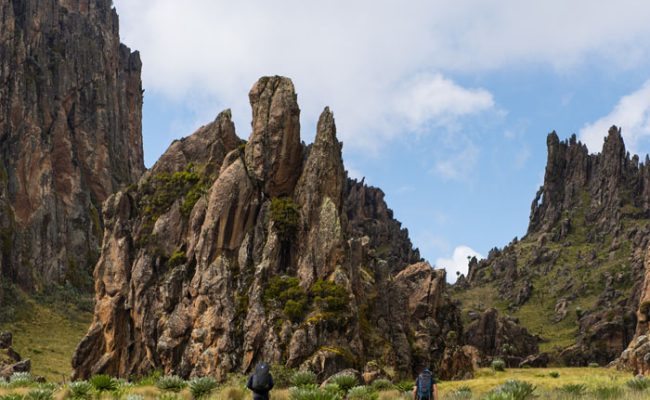
Ol Pejeta’s high-altitude plateau (1,800 to 2,000 meters above sea level) experiences a semi-arid savannah biome. This unique geography features four major vegetation zones that frame magnificent views of the snow-capped Mount Kenya:
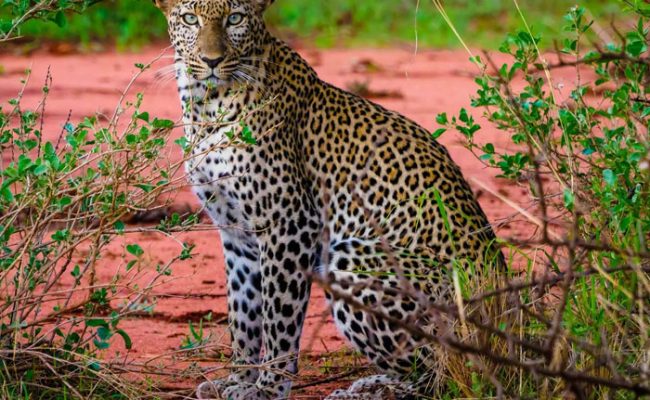
| Dense Bushland (49%): | Thick brush dominated by Euclea divinorum, providing deep cover for leopards and smaller, nocturnal predators. |
| Open Bushland (25%): | Characterized by Acacia drepanolobium (whistling thorn), which acts as a primary, vital food source for browsing black rhinos. |
| Savannah Grasslands (24%): | Wide plains dominated by red oat grass (Themeda triandra), acting as the primary grazing territory for white rhinos, zebras, and vast antelope herds. |
| Riverine Corridors & Swamps (2%): | Lush margins running along the Ewaso Nyiro River, dominated by yellow-barked fever trees (Acacia xanthophloea) and Cyperus reeds. |
Rhino Sanctuary |
|
| Northern White Rhinos: | Ol Pejeta safeguards Najin and Fatu, the world’s last two remaining northern white rhinos, under 24/7 armed guard in a secure 700-acre enclosure. |
| Black Rhinos: | Hosting over 165 individuals, it is the largest sanctuary for the critically endangered eastern black rhino in East and Central Africa. |
| Southern White Rhinos: | A thriving population of over 30 individuals roams freely across the open grasslands. |
Predators & the Big Five |
|
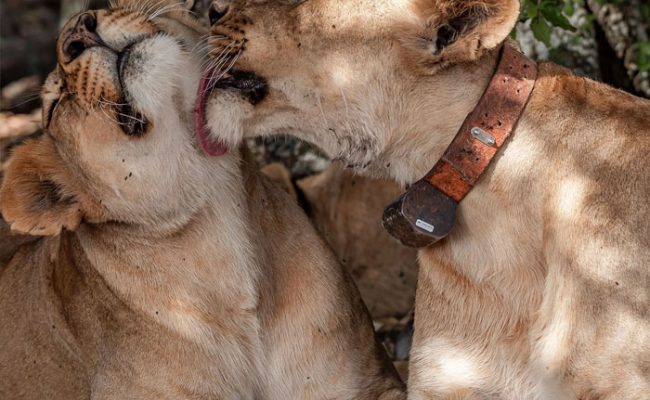
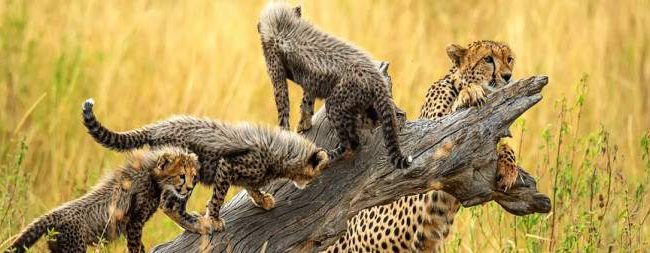
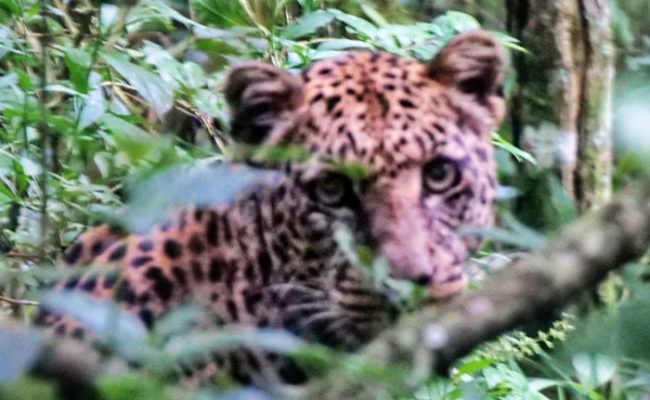
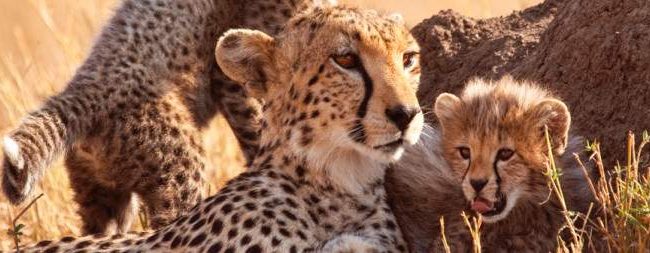
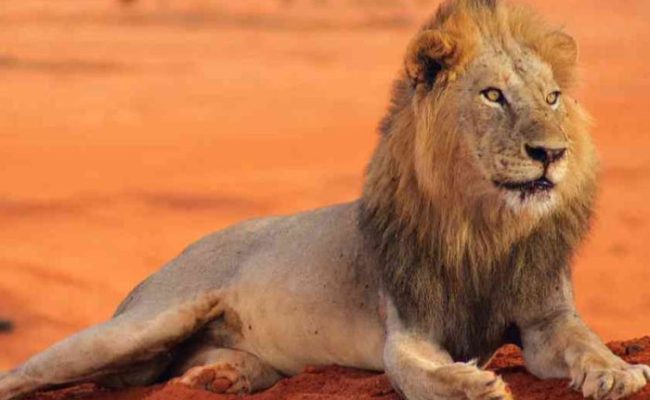
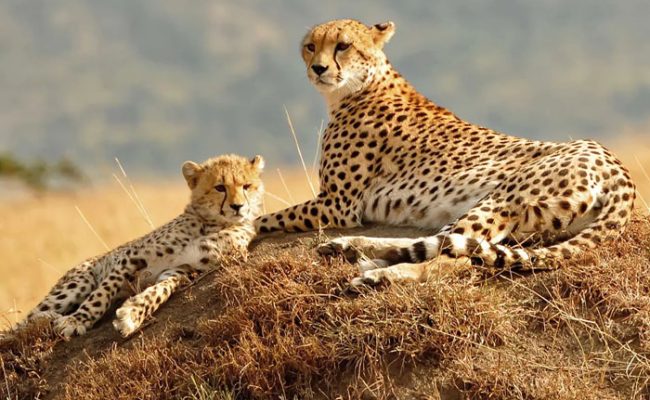
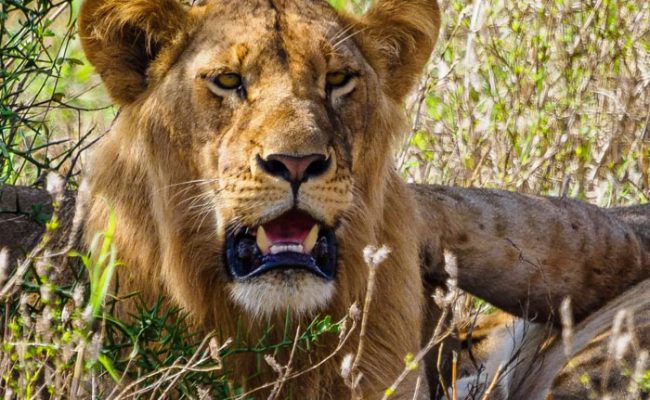
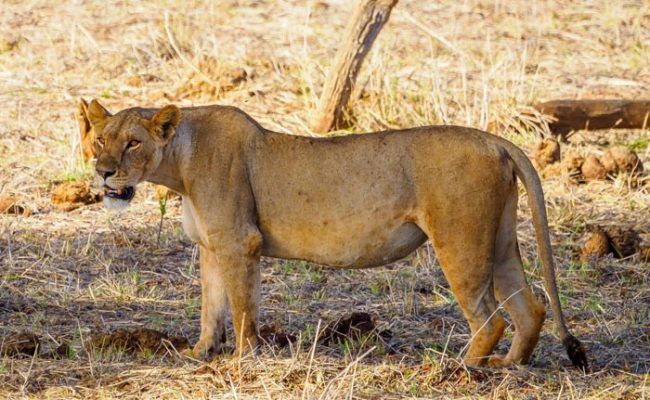
| Apex Predators: | Home to around 80 lions across 8–10 distinct prides, alongside recovering populations of cheetahs, elusive leopards, spotted hyenas, and endangered African wild dogs. |
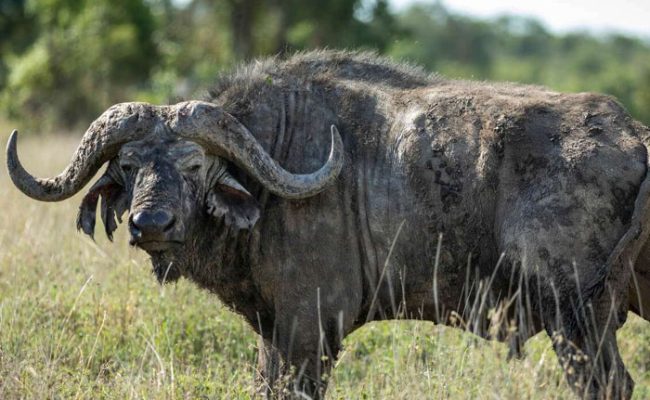
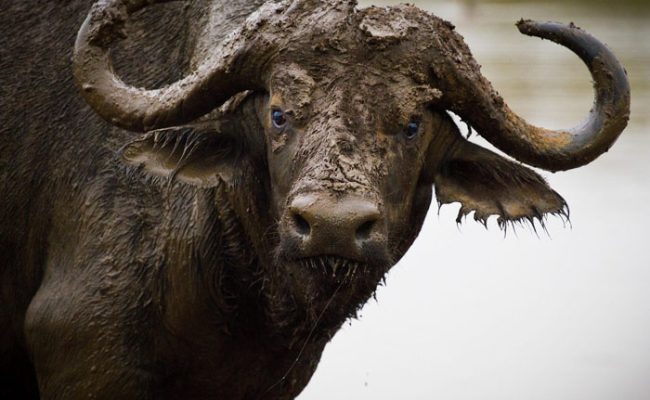
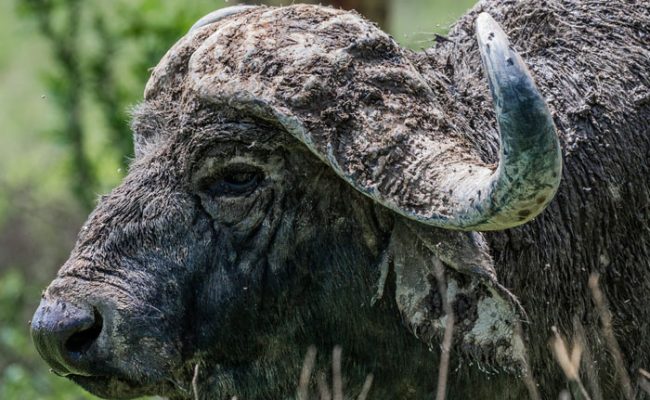
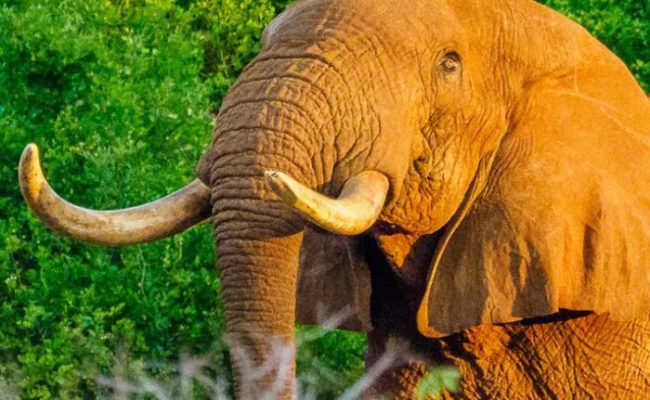
| Megaherbivores: | : Giant herds of Cape buffaloes and roughly 300 African elephants graze across the plains and river beds. |
Plains Game & Birds |
|
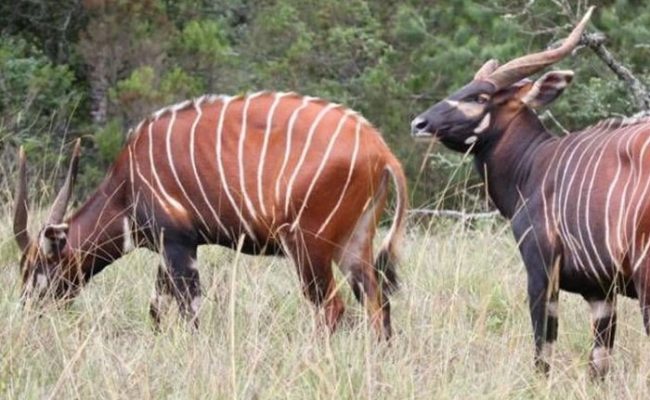
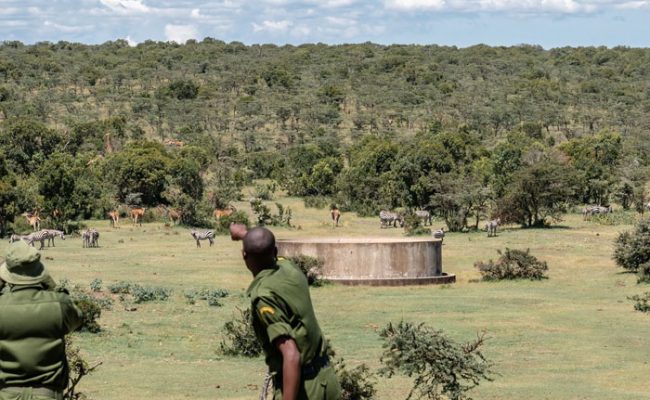
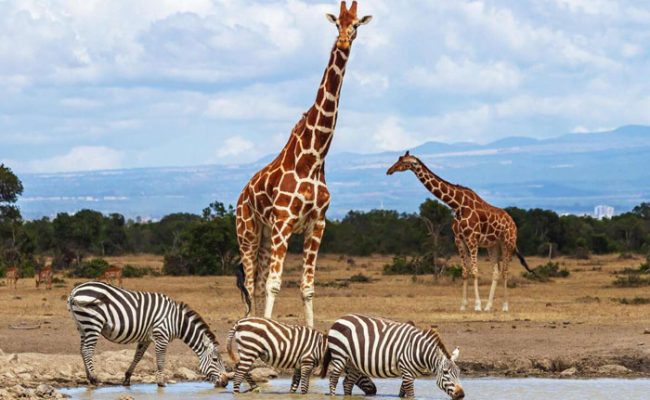
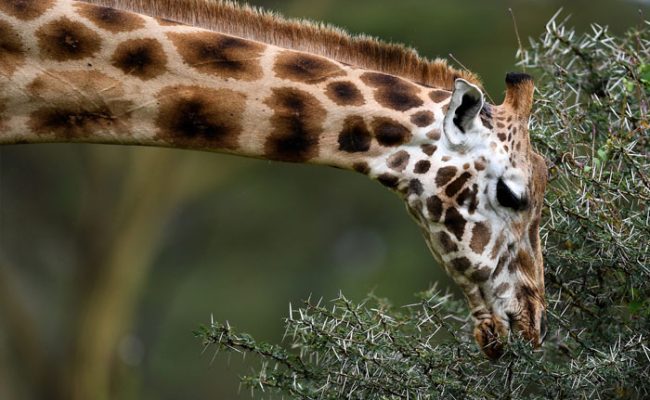
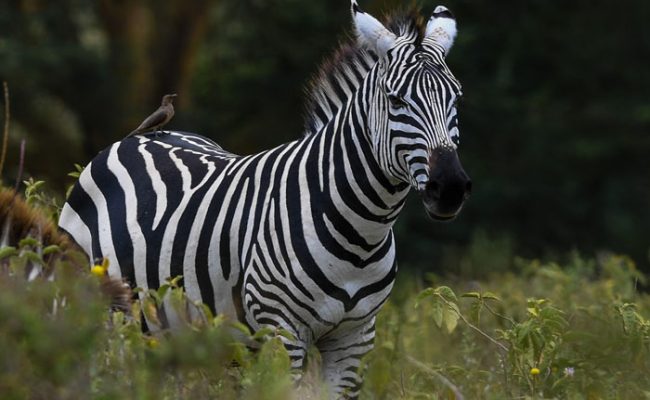
| Laikipia Specials: | Abundant populations of rare Grevy’s zebras, reticulated giraffes, Jackson’s hartebeests, Beisa oryx, and elands. |
| Sweetwaters Chimpanzee Sanctuary: | Established in partnership with the Jane Goodall Institute, this is the only place in Kenya to see rescued and rehabilitated chimpanzees. |
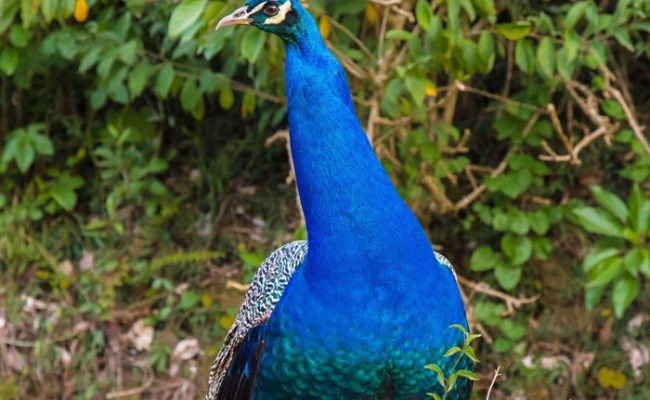
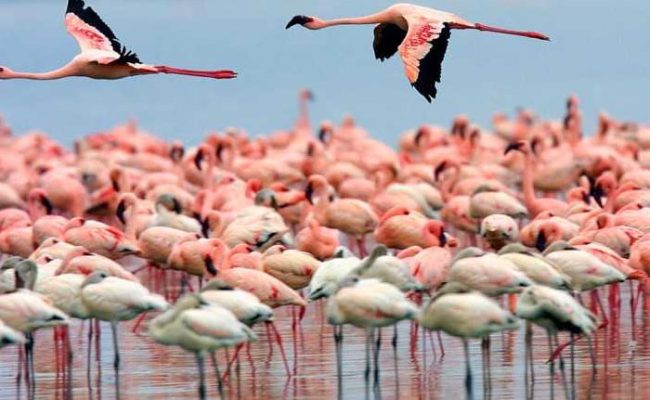
| Avian Diversity: | A paradise for birdwatchers boasting over 300 recorded bird species. |
access Entry Fees
| Visitor Category | EA Citizen | EA Resident | Non-Resident |
|---|---|---|---|
| Adult | KSh 2,000 | KSh 3,500 | USD 110 |
| Child (3–11 years) | KSh 1,000 | KSh 1,750 | USD 55 |
| Student | KSh 500 | KSh 500 | USD 32 |
| Cashless Payments: | The gates at Ol Pejeta are completely cashless. You must purchase your entry tickets in advance via the Ol Pejeta Booking Portal. |
| Identification: | You must present a valid national ID/passport (for East African citizens) or a valid work permit/alien certificate (for East African residents) at the gate to claim resident rates.. |
| Gate Hours: | Entry and exit are strictly restricted to the Rongai and Serat gates between 07:00 AM and 07:00 PM daily. |
Experiences to Expect in Ol Pejeta
Ol Pejeta Conservancy provides one of the most interactive and diverse safari experiences in East Africa. Located in Nanyuki, Kenya, this 90,000-acre private reserve allows visitors to experience classic wildlife viewing alongside hands-on conservation activities. It is uniquely famous for sheltering the world’s last two remaining northern white rhinos and serving as Kenya’s only sanctuary for rescued chimpanzees.
Because Ol Pejeta is a private conservancy, it offers night safaris, foot tracking, and off-road driving that are typically banned in public national parks.
Where To Stay in the Mara
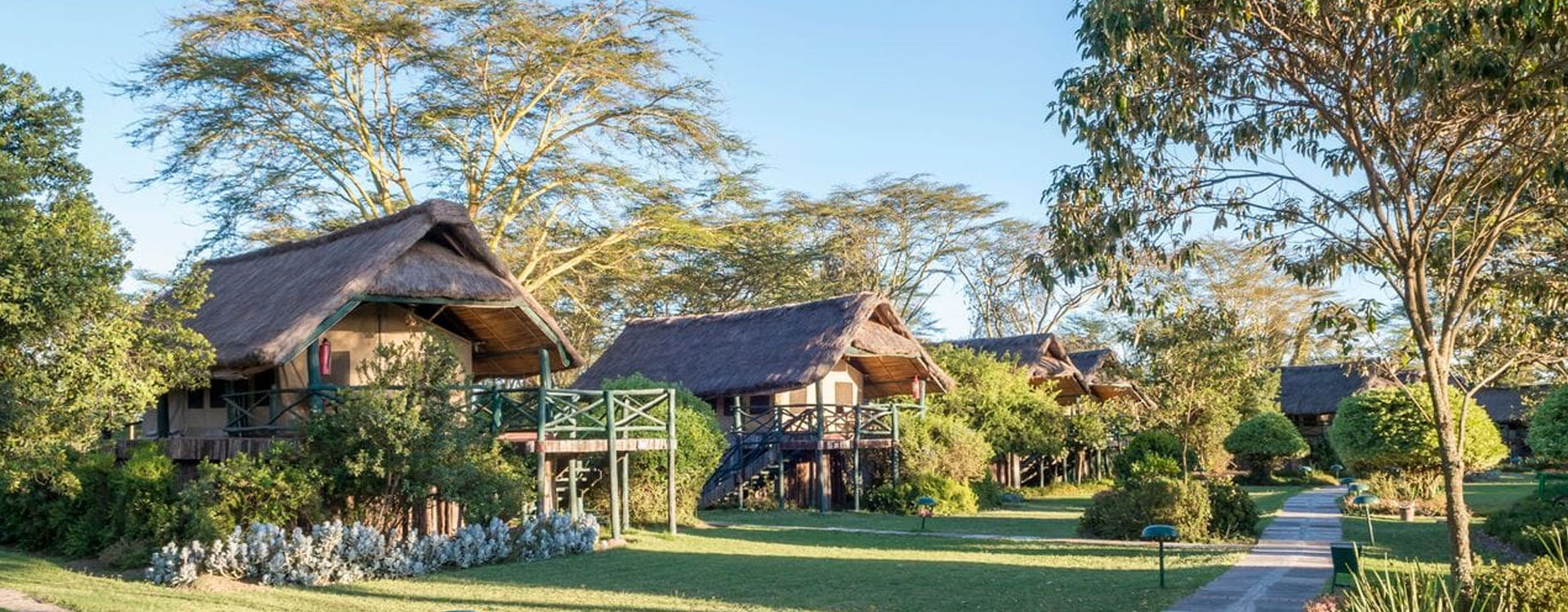
Ol Pejeta Conservancy offers a diverse selection of accommodations ranging from classic safari lodges to eco-luxury tented camps and budget bush camping sites. Most properties are built to blend seamlessly with the environment and provide direct access to the sanctuary’s famous black rhinos and chimpanzees. We have assessed every property we recommend below:-.
Ol Pejeta Conservancy offers a diverse selection of accommodations ranging from classic safari lodges to eco-luxury tented camps and budget bush camping sites. Most properties are built to blend seamlessly with the environment and provide direct access to the sanctuary’s famous black rhinos and chimpanzees. We have assessed every property we recommend below:-
| Property | Description |
|---|---|
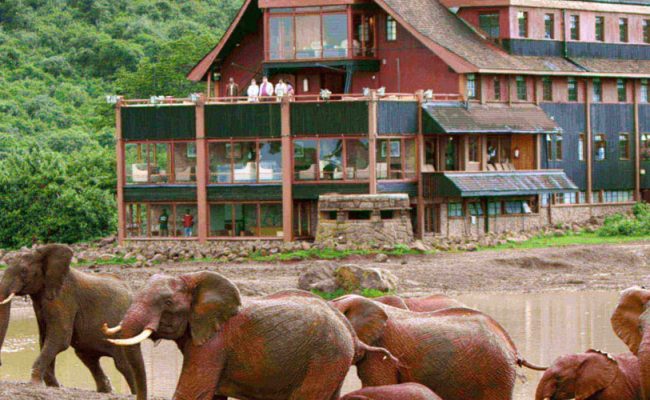
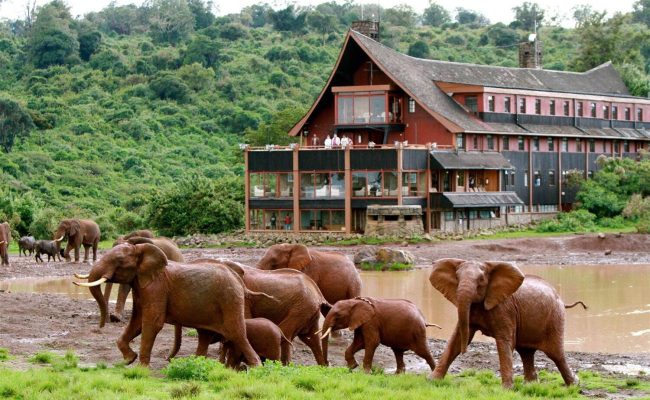
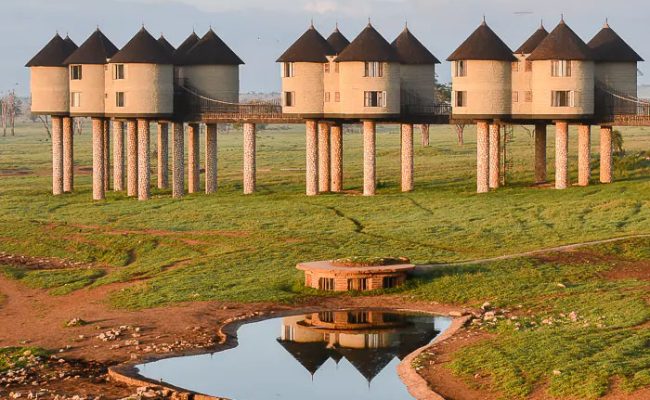
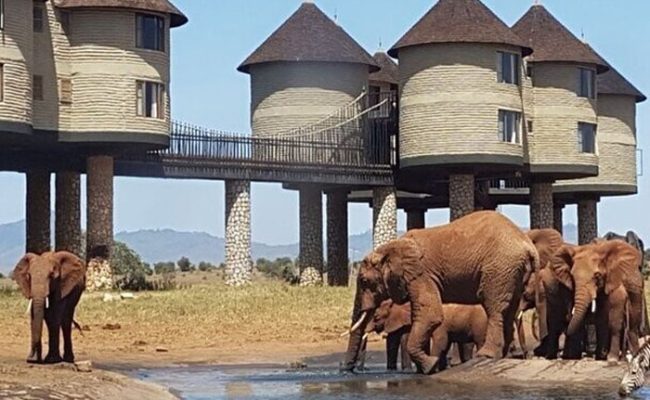
| Sweetwaters Serena Camp | Ol Pejeta’s most famous 4-star property features permanent glamping-style tents. It is known for its expansive watering hole where rhinos, buffaloes, and elephants drink right in front of the dining area. It includes a swimming pool and the premium Morani Wing facing Mount Kenya. |
| Sanctuary Tambarare | A premium luxury camp nestled in a quiet corner of the conservancy. It offers large, sophisticated tented suites with private verandas looking out onto the open boma and plains. |
| The River Camp | A boutique luxury camp built on the banks of the Ngobit River. It features standard guest tents and deluxe family suites equipped with private decks and outdoor showers. |
Ideal for travelers seeking minimal ecological footprints, fewer crowds, and highly immersive guiding experiences.
| Property | Description |
|---|---|
| Asilia Ol Pejeta Bush Camp | Set along the Ewaso Nyiro River, this 4-star camp offers rustic yet fully serviced eco-tents. Run entirely on solar power, it specializes in conservation-first safaris like lion tracking. |
| Kicheche Laikipia Camp | An intimate camp located in the wilderness zone with only six spacious tents. It provides a very quiet, exclusive safari experience overlooking a busy waterhole |
| Mara Siria Camp | A hidden, highly rated eco-camp tucked away in a secluded valley. Tents are simple but comfortable, operating with a strong emphasis on community partnerships and walking safaris. |
| Property | Description |
|---|---|
| Ol Pejeta Safari Cottages | Tucked along an acacia-lined riverbank, these eco-friendly cottages come with private chefs and dedicated safari guides. |
| Pelican House | A cozy thatch-roofed cottage overlooking the Pelican Dam. It sleeps up to 8–12 guests and is available on either an all-inclusive or self-catering basis. |
For budget-conscious travelers or adventurers looking to sleep completely out in the wild.
| Property | Description |
|---|---|
| The Stables | Converted from horse stables, this research-center-turned-lodge provides basic single and double rooms with shared bathrooms. At around USD 70 per night full board, it is the cheapest indoor option inside the park. |
| Official Campsites: | Ol Pejeta hosts several public/private campsites booked on an exclusive basis (including Ewaso, Hippo Hide, and Mbogo). They provide clean pit latrines, fire pits, and water bowsers, but campers must bring all of their own gear, food, and vehicles. |
Experience the extraordinary: a rare chance to encounter the last two Northern White rhinos on Earth. Get up close, learn their remarkable story from the dedicated keepers who care for them round-the-clock. Every penny from your booking supports efforts to rescue this species from the brink of extinction
+91 345 533 865
info@example.com
+91 345 533 865
Copyright 2025 Egens Lab | All Right Reserved.
Accepted Payment Methods :
A premier East African tour operator headquartered in Mombasa, Kenya, specializing in immersive, tailor-made wildlife and cultural experiences. We connect travelers directly to the region’s most iconic landscapes, seamlessly blending Kenya’s sweeping savannas with Tanzania’s rich biodiversity and pristine coastal beaches.
With an emphasis on flexible itineraries built around real-time wildlife conditions rather than rigid schedules, they offer everything from high-end luxury retreats to immersive camping expeditions.
+254 724 628 009
mail@eastafricatourstravel.com
+254 724 628 009
Copyright 2026 East Africa Tours Travel | Designed by Inspimate
Accepted Payment Methods :