-
Mail Support mail@eastafricatourstravel.com
Protected Area
Mammal Species
Bird Species
Kilimanjaro Backdrop
Year-Round
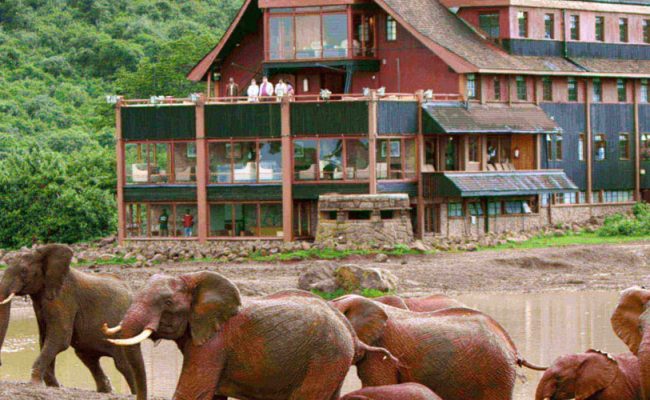
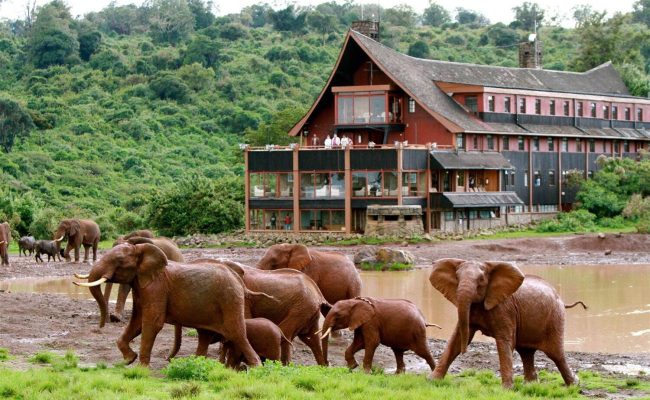
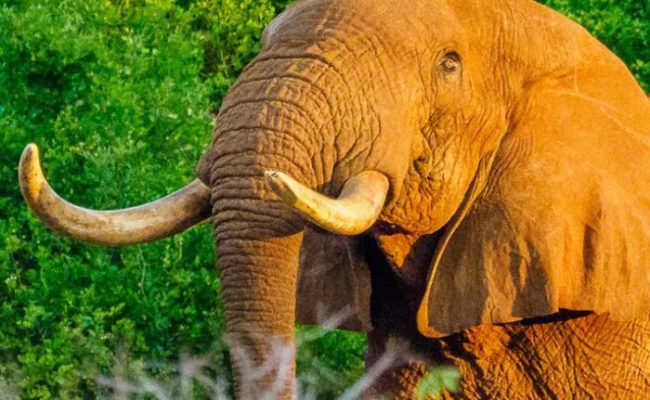
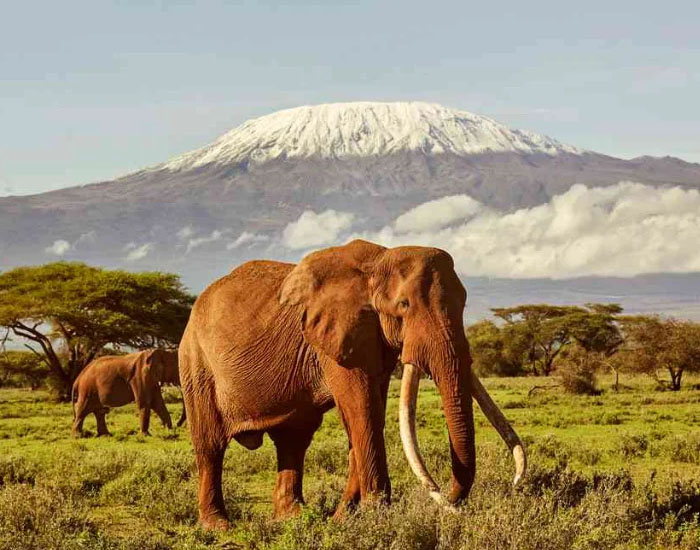
Amboseli National Park is the “Land of Giants,” where ancient volcanic dust meets lush, spring-fed swamps, all under the watchful eye of Africa’s highest peak. It offers a rare, high-contrast landscape where wildlife sightings aren’t just frequent—they are framed in cinematic perfection. Fed by underground meltwater from Mount Kilimanjaro, the park’s permanent swamps serve as a vital oasis in a “salty, dusty” terrain (a translation of the Maasai word Empusel). This creates a unique theatre where massive elephant herds, including legendary “Super Tuskers” with ivory reaching the ground, emerge from the dust to wade through emerald-green marshes.
Overview & Location
Amboseli National Park Highlights
| Location | Situated in Kajiado County, roughly 230 kilometers south of Nairobi and 460 kilometers from Mombasa (via Tsavo West) |
| Size | 392 km² of protected park area |
| From Nairobi | It takes about 4 to 5 hours to drive from Nairobi via the Namanga or Emali gates, or roughly 45 minutes to fly directly from Wilson Airport to the park’s airstrip. |
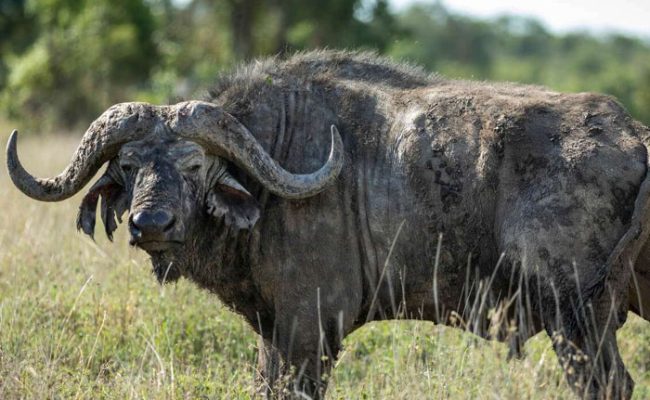
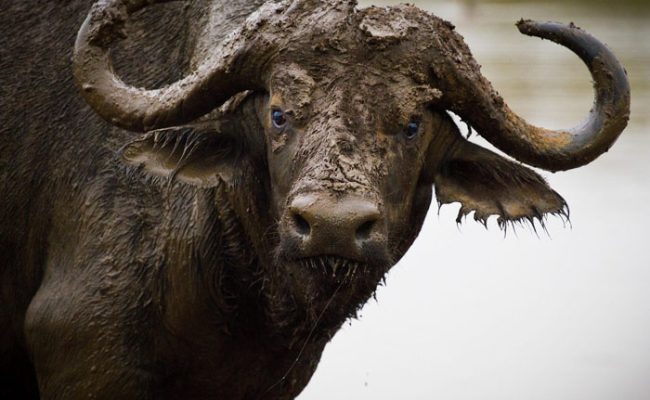
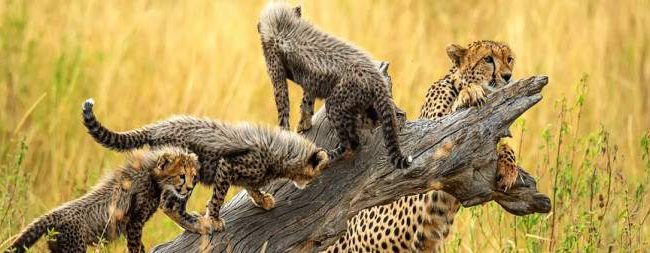
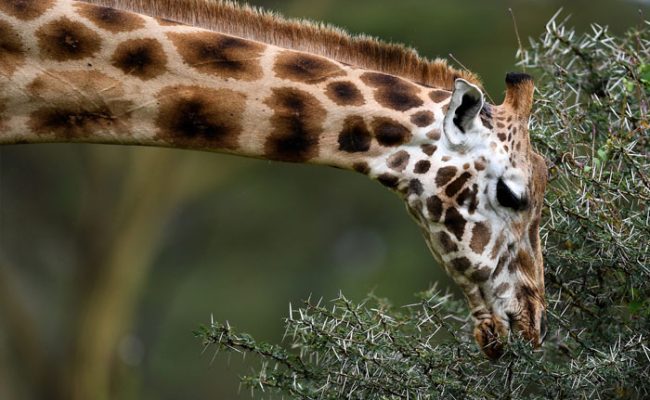
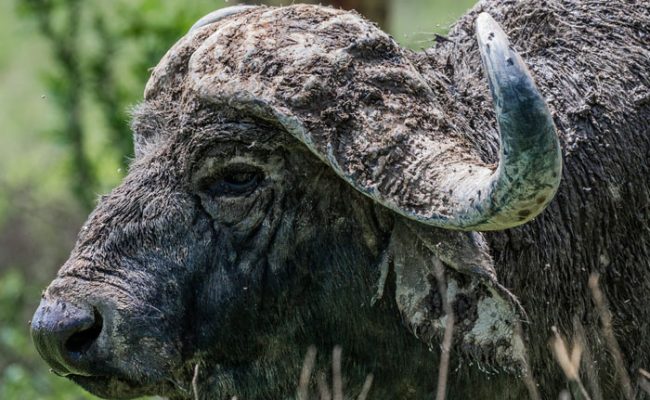
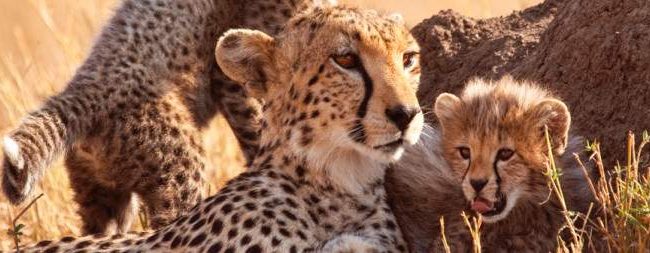
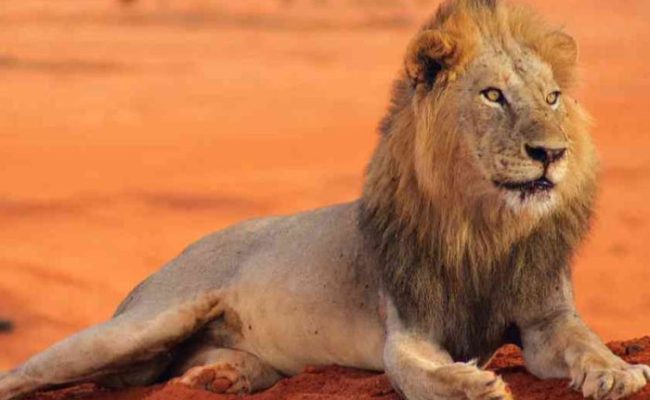
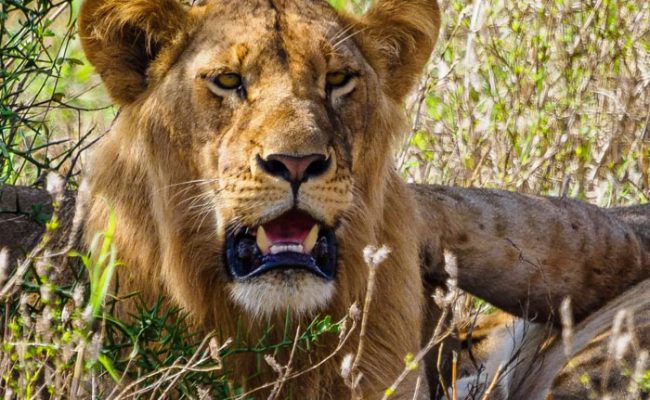
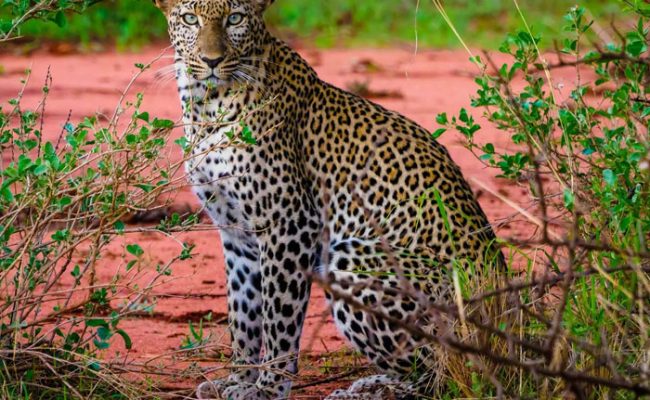
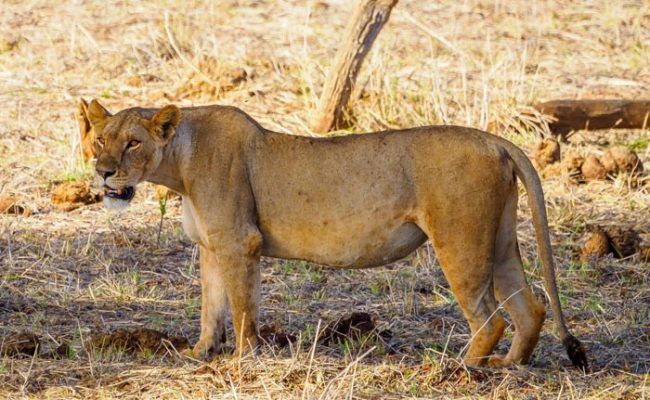
| Iconic Wildlife | World-famous for its elephant population—many monitored by researchers—as well as lions, cheetahs, buffalo, giraffes, and over 400 recorded bird species |
| Ecosystem & Habitats | Encompasses open savannahs, acacia woodlands, wetlands with lush sulphur springs, and the flat, often dusty bed of Lake Amboseli |
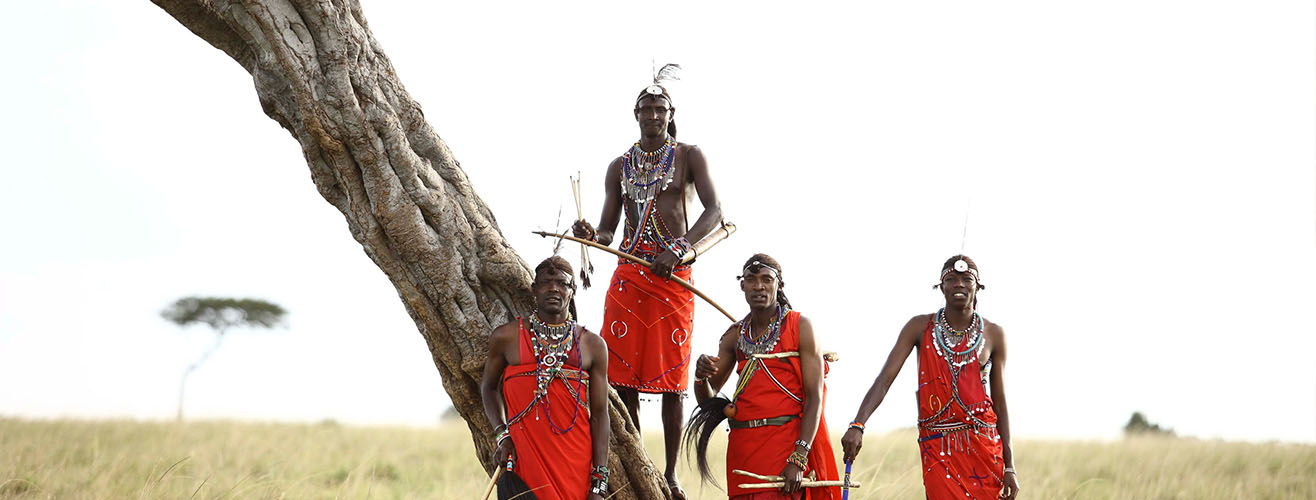
| Cultural Experience | The region is home to the Maasai people, offering opportunities to visit local communities and experience their traditional culture. |
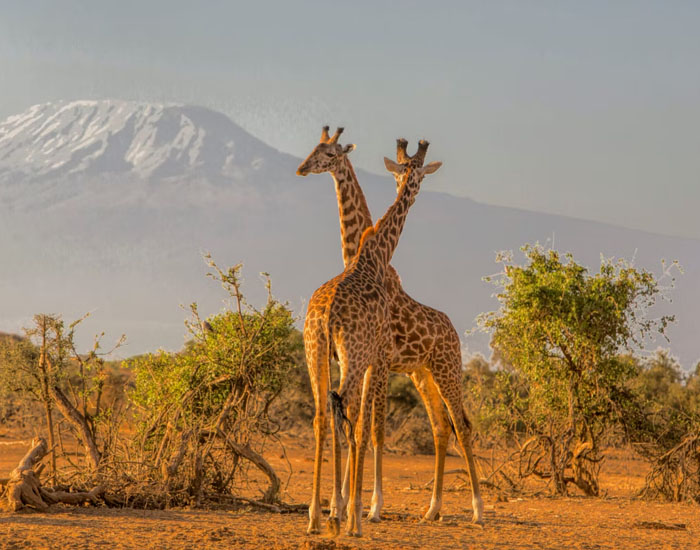
Amboseli National Park stands out from other Kenyan parks due to its iconic, unobstructed backdrop of snow-capped Mount Kilimanjaro and its remarkably high concentration of free-ranging elephants. Its unique geography—characterized by dry, dusty plains interspersed with lush, spring-fed swamps—funnels diverse wildlife into highly concentrated, easily viewable areas.
Getting to Amboseli National Park is a straightforward trip, but the “best” way depends entirely on your starting point, your timeline, and how you prefer to travel across the Kenyan landscape. Amboseli is approximately 230 km from Nairobi — one of Kenya’s most accessible major parks. Two main options exist, with the choice primarily depending on your available time and budget.
The main drive from Nairobi takes approximately 4 to 5 hours via two main routes. The Emali route (A109 to Emali, then south) is the most direct. The Namanga route (A104 south past the Tanzanian border junction) is slightly longer but passes through Maasai country and delivers early wildlife and cultural sightings along the way. All road transfers are in comfortable 4×4 safari vehicles with experienced drivers. We professionally handle all road logistics..
Most Charter flights from Nairobi’s Wilson Airport to Olkelunyiet airstrip inside the park take approximately 45 minutes. Flying removes the full day of road transfer from each end of your trip and is particularly recommended for stays of 2 nights or fewer, or for travelers combining Amboseli with the Masai Mara or other parks on a tight schedule..
| By Road | ~230 km; 4–5 hours from Nairobi via Emali or Namanga route. 4×4 safari vehicle, all transfers arranged by Beyond the Plains Safaris. |
| By Air | ~45 minutes from Wilson Airport, Nairobi. Charter to Olkelunyiet airstrip inside the park. Recommended for short stays and luxury itineraries. |
| From Tanzania | Amboseli can be approached from Arusha via the Namanga border crossing — approximately 4 hours. Ideal for travelers combining Kenya and Tanzania. |
| Nearest Town | Loitokitok — a small Kenyan town near the Tanzanian border, approximately 20 km from the park’s main gate. |
Amboseli National Park Entry Fees
Amboseli National Park entrance fees are determined by your residency status and are valid for 24 hours. General entry fees per person are: USD 90 for international non-residents, USD 50 for African citizens, KSh 2,025 for Kenya residents, and KSh 1,500 for East African citizen.
Entry fees are charged per person, per day, across three categories: non-resident adults (most international visitors), East African residents, and Kenyan citizens. Children pay reduced rates. All fees are payable electronically — KWS does not accept cash at gates.
The best time to visit Amboseli National Park is during the dry seasons from June to October and January to February. These months offer optimal wildlife viewing as animals congregate near permanent swamps, and the sparse vegetation makes them much easier to spot, the Kilimanjaro-fed underground springs mean wildlife is always concentrated around water
June to October — Long Dry Season
July through September is the premier, high-demand season for an Amboseli safari, offering optimal wildlife viewing, predator activity, and clear views of Mount Kilimanjaro. While this period provides the best conditions, visitors should expect premium peak-season pricing and should book lodging months in advance. Animal concentrations around the wetlands intensify, and predator activity — particularly lions and cheetahs — is at its most visible on the open plains. Elephant herds gather in impressive numbers around the remaining water. The Kilimanjaro backdrop is reliably clear on early mornings throughout this period.
January to February — Short Dry Season
For travelers seeking the ultimate balance of stunning vistas and value, the short dry season (January–February) is Kilimanjaro’s best-kept secret. This window offers some of the year’s clearest views of Africa’s highest peak, paired with exceptional game viewing. As newborn calves arrive on the plains, predator activity from lions and cheetahs reaches a thrilling peak. Best of all, you’ll enjoy significantly fewer crowds and lower lodge rates than the mid-year rush, making it the premier choice for photographers aiming to capture iconic elephant herds against a crystal-clear mountain backdrop.
November to December — Short Rains
In Amboseli National Park, November and December mark the “short rains,” a transitional period where the landscape transforms from dry and dusty to lush and green. While often considered a “low” or “green” season, this time offers unique advantages for photographers and birdwatchers. Bird species diversity increases as some migratory birds begin arriving from the north. Trails can become muddy after heavy rain but are generally manageable. An excellent value window for experienced travelers who prioritise landscape photography and solitude over guaranteed dry conditions.
March to May — Long Rains
This low season brings the lowest lodge rates, lush landscapes, and spectacular birding as migratory species arrive in massive numbers. The heaviest rains fall in April and May, making some tracks challenging and Kilimanjaro views less reliable. Wildlife is still present and active — the park’s underground springs mean year-round water access regardless of rainfall — but vegetation is densest and animals more dispersed.
Experiences to Expect on an Amboseli Safari
An Amboseli safari guarantees close-up encounters with hundreds of free-roaming elephants against the backdrop of snow-capped Mount Kilimanjaro. Expect to navigate striking dry lake beds, lush green swamps teeming with hippos and birdlife, and vibrant Maasai cultural exchanges.
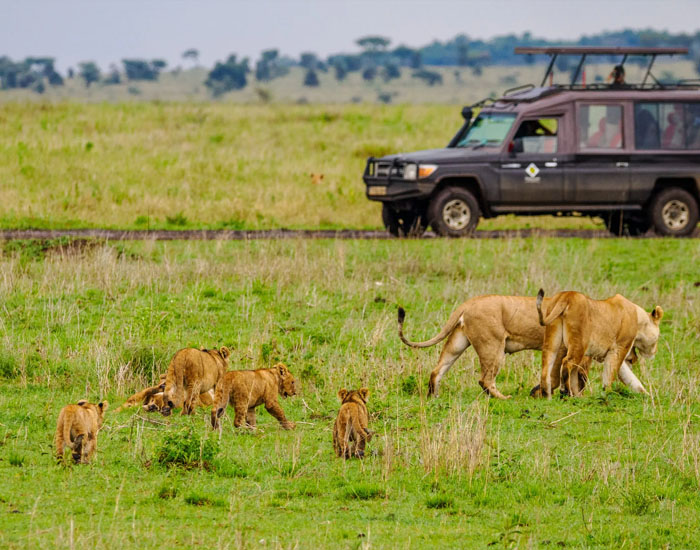
Drives departing around 6:15am deliver the best predator activity, clearest Kilimanjaro views, and optimal elephant encounters around the wetlands. Evening drives reveal a different park — golden light, more active lion and cheetah behavior, and elephant herds returning to water.
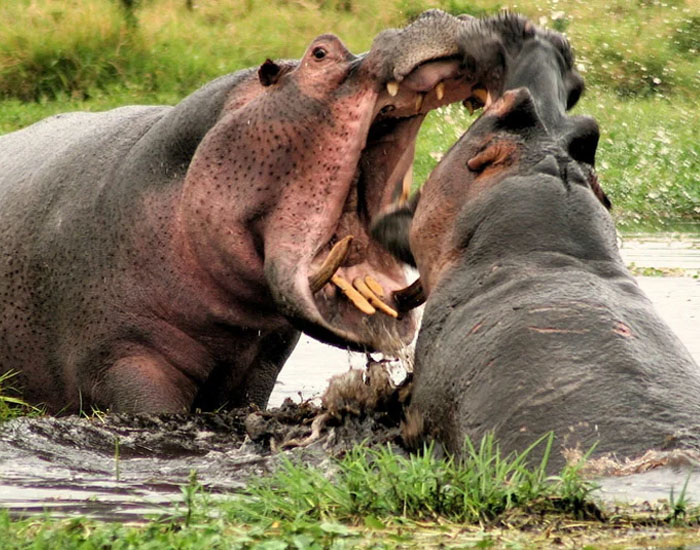
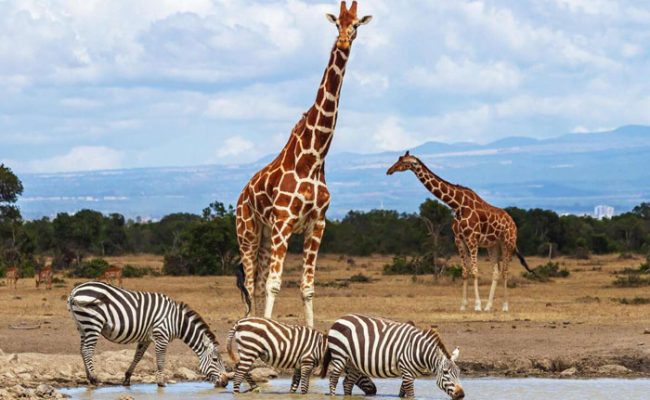
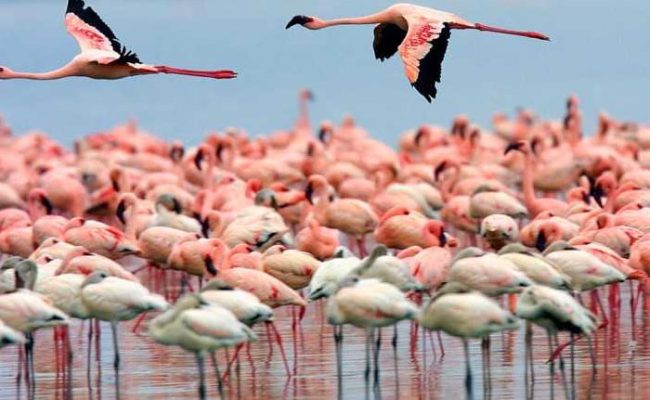
Seasonal swamps — fed by underground springs from Kilimanjaro’s snowmelt — are the ecological heart of the park. The wetland circuit reveals extraordinary bird concentrations including flamingos, pelicans, crowned cranes, and African fish eagles alongside elephant herds using the water.
Africa’s finest wildlife photography destinations. The combination of habituated, non-stressed elephant herds, open unobstructed terrain, and the Kilimanjaro backdrop creates conditions that professional wildlife photographers specifically travel here for.
The Maasai community has coexisted with Amboseli’s wildlife for centuries. A guided visit to a traditional Maasai homestead near the park boundary offers insight into warrior traditions, beadwork artistry, cattle culture, and the community’s relationship with conservation — adding genuine cultural depth to a wildlife itinerary.
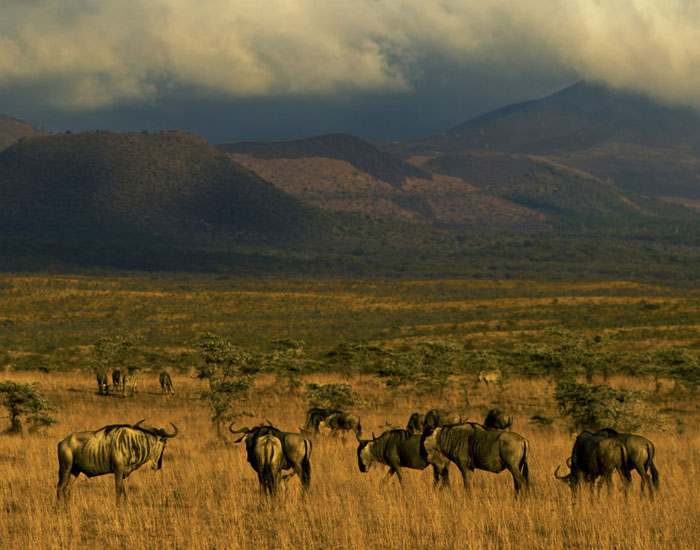
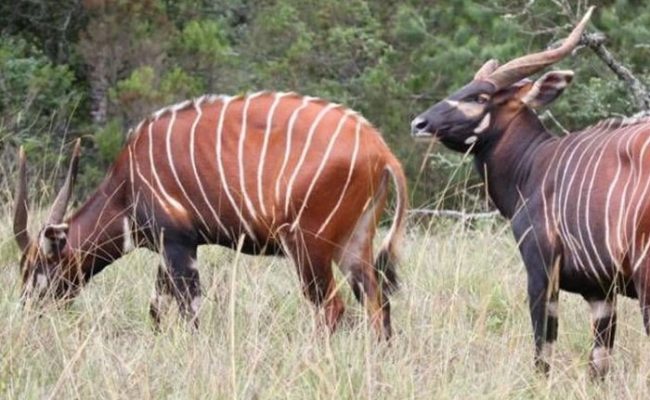
Elephants, predators, preys & birds
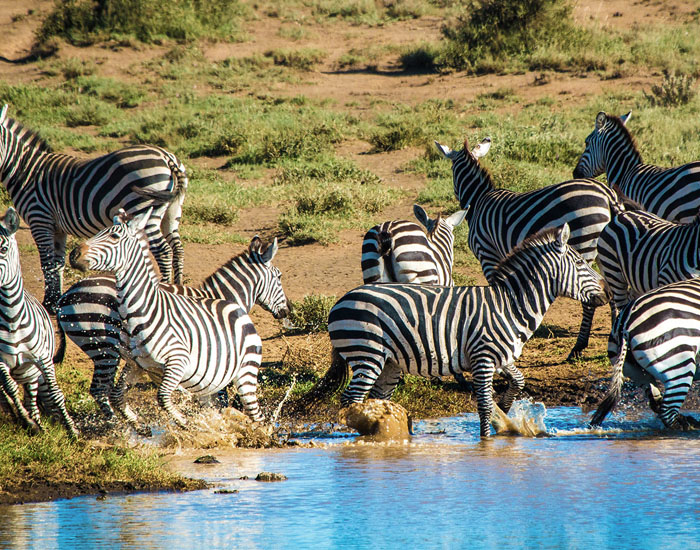
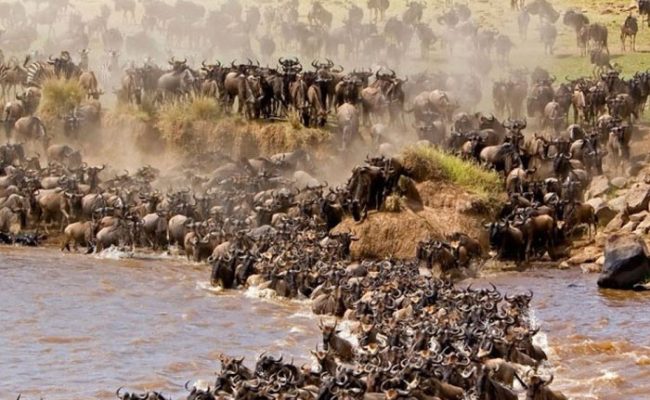
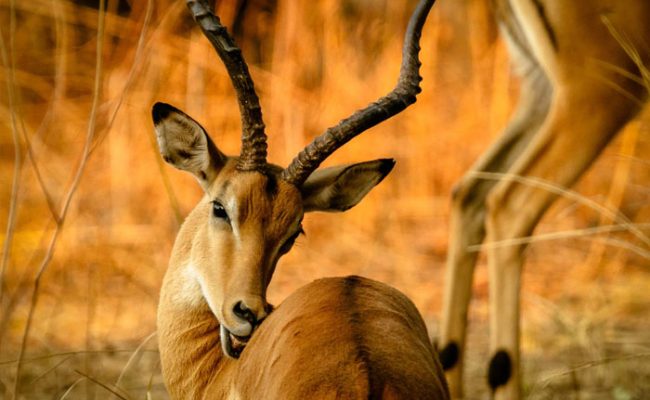
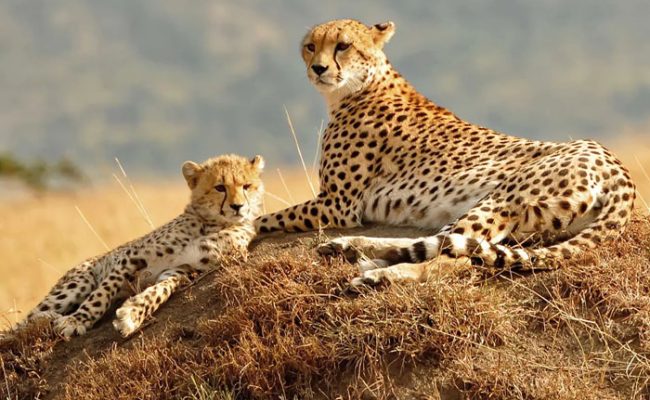
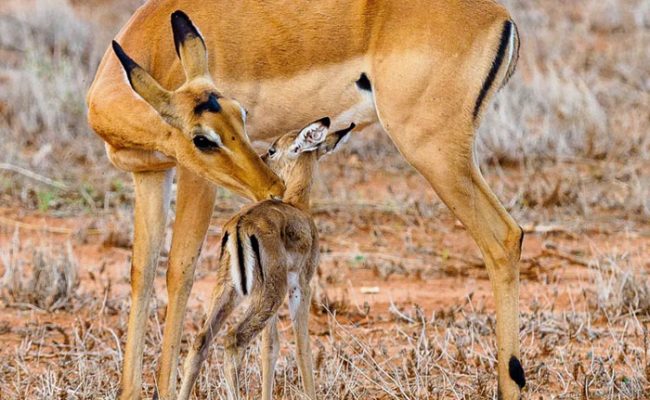
Amboseli National Park Wildlife
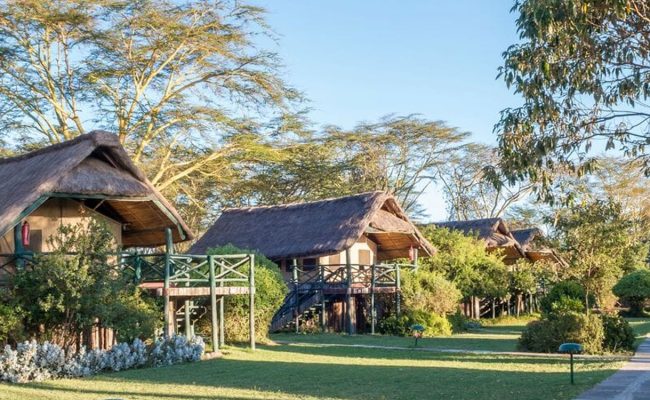
| Property | Distance from Gate |
|---|---|
| Elewana Tortilis Camp | Located in a private concession on the western border, this award-winning 5-star tented camp offers exclusive wilderness access, guided walks, and prime elephant viewing |
| Angama Amboseli | Situated inside the private Kimana Sanctuary, this exclusive camp features 10 ultra-luxury canvas suites boasting extra-length super king beds, a butler’s lobby, and panoramic Mount Kilimanjaro views |
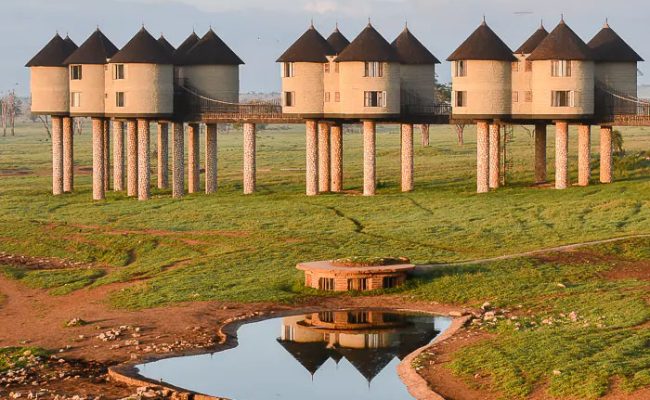
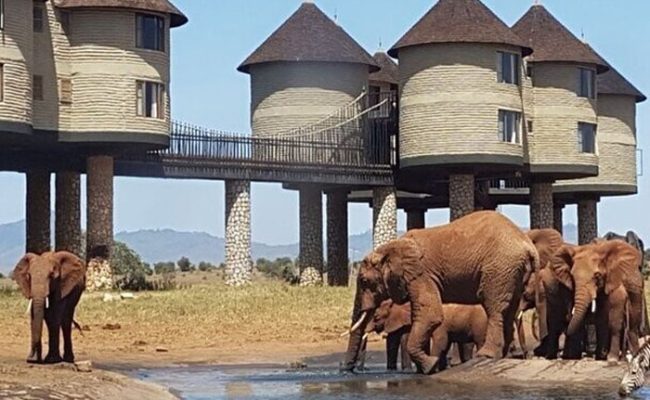
| Tawi Lodge | Set within a private conservancy on the park’s foothills, this high-end eco-lodge offers 13 luxury stone cottages, an elevated viewing deck, and a swimming pool overlooking an active wildlife waterhole. |
| Elerai Camp | Located on a 5,000-acre private conservation area southeast of the park, featuring 17 luxury rooms divided between raised tented suites and large eco-lodges. |
| Property | Distance from Gate |
|---|---|
| Ol Tukai Lodge | Positioned directly inside the heart of the national park, this resort-style property contains 80 luxury chalet-style rooms with private terraces facing the marshlands or Mount Kilimanjaro. |
| Amboseli Serena Safari Lodge | A Maasai-inspired lodge built adjacent to the park’s central wetlands, offering comfortable rooms with private patios, a swimming pool, and excellent wildlife sightings right from the property. |
| Kibo Safari Camp | Situated near the main park gate, this highly-rated camp provides luxury permanent tents, fully fenced grounds, a swimming pool, and exceptional value for standard safari tours. |
| Amboseli Sopa Lodge | Set on the edge of the park within expansive rustic gardens, housing 83 rooms (including wheelchair-accessible chalets), a swimming pool, and the iconic elevated Hemingway Bar. |
| Property | Distance from Gate |
|---|---|
| AA Lodge Amboseli | Positioned close to the Kimana Gate for quick entry into the national park, offering a mix of classic safari tents and cottages at a lower price tier. |
| Sentrim Amboseli Lodge | Located right outside the Kimana Gate, featuring 60 elevated deluxe tents and family houses spread across the plains with direct mountain views. |
| Amboseli Amanya Lodge | A budget-friendly options close to the park borders featuring basic tented chalets, a restaurant, and a terrace with mountain views. |
| KWS Public Campsites & Guest Houses | Operated directly by the Kenya Wildlife Service inside the park, providing basic self-catering bandas (like Kilimanjaro Guest House, Simba Cottages) and public pitching grounds |
World-famous for its massive herds of free-ranging elephants and iconic, snow-capped views of Mt. Kilimanjaro. Top tours include multi-day safaris from Nairobi, coastal departures from Diani/Mombasa, and specific cultural excursions designed for unparalleled wildlife photography and immersion.
+91 345 533 865
info@example.com
+91 345 533 865
Copyright 2025 Egens Lab | All Right Reserved.
Accepted Payment Methods :
A premier East African tour operator headquartered in Mombasa, Kenya, specializing in immersive, tailor-made wildlife and cultural experiences. We connect travelers directly to the region’s most iconic landscapes, seamlessly blending Kenya’s sweeping savannas with Tanzania’s rich biodiversity and pristine coastal beaches.
With an emphasis on flexible itineraries built around real-time wildlife conditions rather than rigid schedules, they offer everything from high-end luxury retreats to immersive camping expeditions.
+254 724 628 009
mail@eastafricatourstravel.com
+254 724 628 009
Copyright 2026 East Africa Tours Travel | Designed by Inspimate
Accepted Payment Methods :